Assistive Technology and AI: How Digital Romania Is Transforming Lives
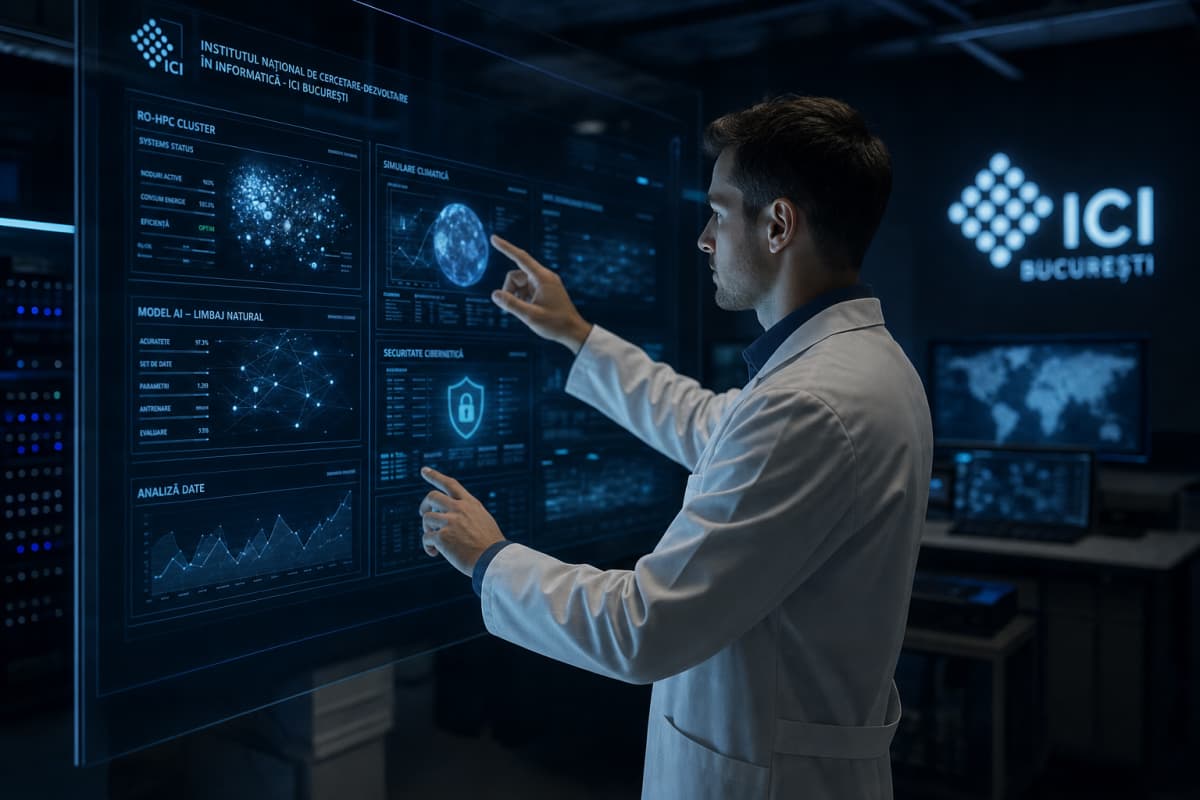
Digitalization in Romania is no longer a conference topic — it's a reality being built every day, sometimes unevenly and frustratingly, other times with surprising leaps. I look around: digital textbooks in a few pilot schools, assistive technology finally reaching people with disabilities, polytechnics reinventing themselves. It's a contradictory landscape, but not without hope.
The Digital Textbook: Promise or Reality?
The digital textbook has returned to discussion alongside new school curricula. Universities, including Politehnica Bucharest, are experimenting with integrated e-learning platforms. The challenge isn't technical — tablets and internet connections exist. The problem is adoption: teachers who haven't received adequate training, skeptical parents, unequal infrastructure between urban and rural areas. But where it works, the impact is real.
Assistive Technology: The Silent Revolution
Philips and other major companies are investing in assistive technology — devices helping people with visual, hearing, or mobility impairments interact with the digital world. In Romania, adoption is still slow, but the direction is clear. Text-to-speech apps, adapted keyboards, eye-tracking systems — these are no longer niche products. They're now accessible in Romania too, if you know where to look.
ALEXANDRU VLAD
Descoperă creațiile lui Alexandru Vlad — poet și documentarist din Cluj.
EXPLOREAZĂ →What We Should Do Differently
Real digitalization doesn't mean replacing paper with a screen. It means rethinking processes. Romania now has the opportunity to make a qualitative leap, not just a quantitative one — to build digital systems that include, not exclude. This requires investing in people, not just hardware. It's the lesson I repeat whenever I discuss tech with friends: the tool matters less than the intention.
SUSȚINE CREAȚIA
Dacă acest articol ți-a adus ceva nou, poți susține munca lui Alexandru Vlad.
SUSȚINE →
ABOUT THE AUTHOR
Alexandru Vlad is a poet, documentary filmmaker and educator. Two-time UCIN laureate, Gopo Award nominee, Honorable Mention at the San Francisco Film Awards. PhD in Cinematography, Babeș-Bolyai University.
Full profile →