Art and Science in Romania 2026: Why Separating Them Is a Cultural Mistake
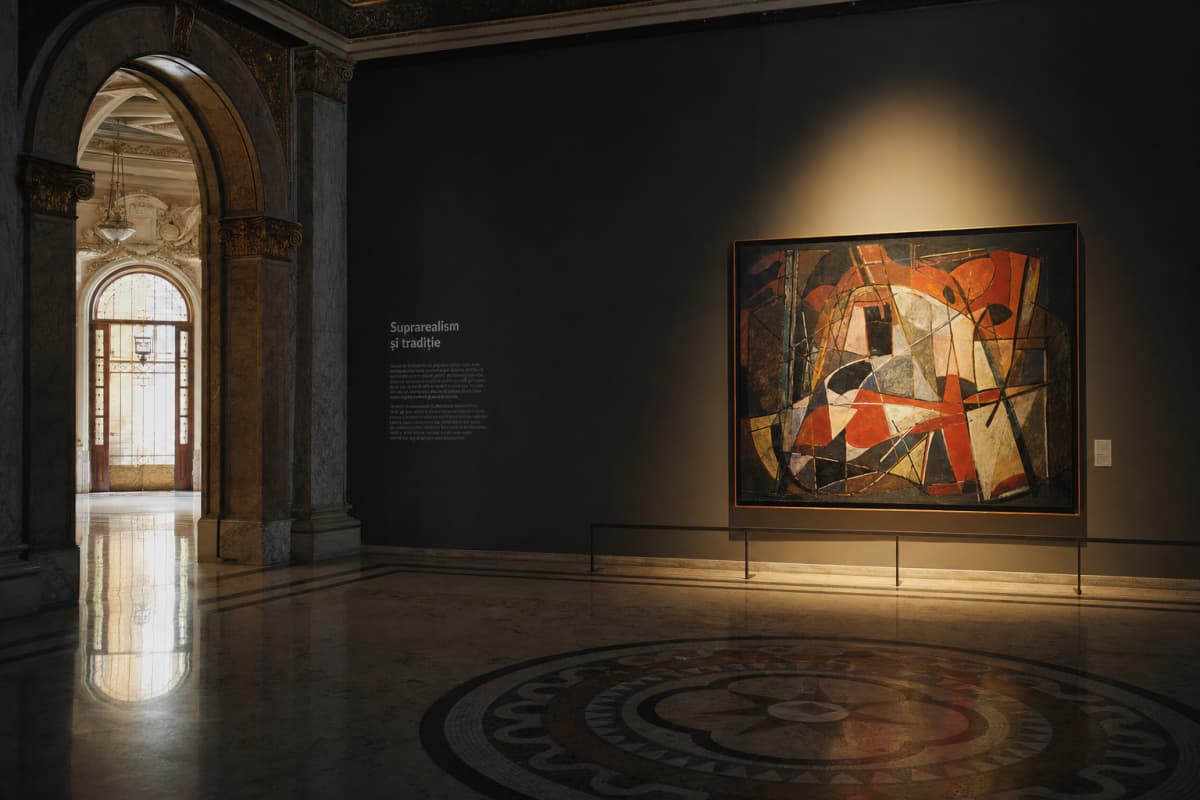
I recently visited the Art Museum in Cluj and felt again that contradiction that has followed me for years: magnificent spaces, valuable collections, and a chronic lack of resources visible in details. A faded label, an unheated room, a temporary exhibition cancelled. Romania has an extraordinary artistic heritage and a complicated relationship with it — we celebrate it in words and neglect it in budgets.
The Chemistry Between Arts and Sciences: A Forgotten Connection
The theme of 'chemistry between art and sciences 2026' appeared in school curricula and sparked debate. It's a good direction — the strict separation of arts from sciences is a recent and artificial convention. Leonardo da Vinci was both artist and scientist. Today, the most interesting things happen at intersections: bioart, generative architecture, algorithmic music. Art schools that integrate scientific thinking produce more complex people.
Art High Schools: The Last Line of Cultural Defense
Romania's art high schools train generations of musicians, visual artists, actors. They're also in crisis — overloaded teachers, old instruments, degraded infrastructure. A student at an art high school in a small city has access to a fraction of the resources available to a peer in Bucharest or Cluj. This geographic inequality translates directly into long-term cultural inequality.
Why Art Is Not a Luxury
Societies that treat art as a luxury — something for those with time and money — produce citizens less capable of critical thinking, empathy, and creative problem-solving. Art is language, a method for processing experience, cognitive infrastructure. Romania cannot afford to abandon it. Supporting art isn't philanthropy — it's an investment in the collective quality of thought.
SUSȚINE CREAȚIA
Dacă acest articol ți-a adus ceva nou, poți susține munca lui Alexandru Vlad.
SUSȚINE →
ABOUT THE AUTHOR
Alexandru Vlad is a poet, documentary filmmaker and educator. Two-time UCIN laureate, Gopo Award nominee, Honorable Mention at the San Francisco Film Awards. PhD in Cinematography, Babeș-Bolyai University.
Full profile →